

Air quality in Railway Stations: New Collaboration with Alstom
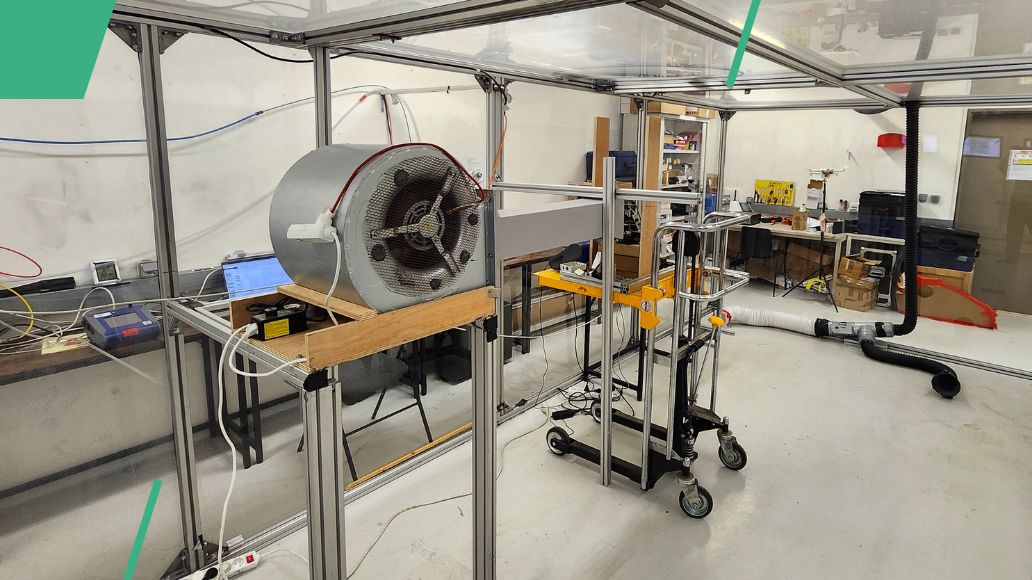
ESTACA’s Air Quality team has carried out a new series of research studies aimed at establishing robust test protocols and comparative validations of technologies for assessing air quality in railway systems using measurements.
Collaboration as part of the European Rail4EARTH project for more sustainable and environmentally friendly rail systems
Rail4EARTH ‘Sustainable and green rail systems’ is one of the Horizon Europe projects (the European Union’s major research and innovation program, which funds projects bringing together researchers, companies and institutions to meet the major issues of our time: climate, health, mobility, digital, etc.). The aim of this project is to make rail the most sustainable and attractive mode of transport for the coming decades. In particular, it includes a focus on limiting the disturbances caused by trains: less noise, less vibration and better air quality in stations and on rolling stock. Alstom and ESTACA’Lab are collaborating on this very theme.
Experimental studies conducted by ESTACA’lab to improve air quality in railway enclosures
A number of experimental studies, conducted in an enclosed test chamber known as the “bubble” at ESTACA, compared different families of micro-sensors with seeding that simulates a pollutant made up of metal particles, similar to what might be found in underground railway enclosures. The test chamber, equipped with mixing ventilation, is capable of generating pollution atmospheres with high, stable and homogeneous levels of concentration.
The aim of the collaboration is to launch a series of research studies to establish test protocols and compare technologies for measuring and improving air quality in the rail sector, and in rolling stock in particular. The goal is to deploy innovative solutions for reliable, precise measurement of fine particulate pollutant concentrations in the air, and to implement technical measures on trains to proactively protect operators, staff and passengers.